
Top Farm & Ranch Fencing Solutions for Twin Cities Suburbs
There is one thing apparent to our local fence installation crews, the landscape just outside the Minneapolis and St. Paul metro is changing. This brings an emerging need to find a quality Farm Fence Installation Company in Minnesota that builds fences to last and withstand animal and weather demands. As you drive into “collar counties” like Wright, Carver, Washington, and our home base of Isanti, traditional suburban neighborhoods rapidly give way to sprawling hobby farms, equestrian properties, and ranches.
Owning acreage on the outskirts of the Twin Cities is a dream for many, but managing large animals and securing expansive property lines requires a different caliber of perimeter security than a standard backyard privacy fence. At Twin Cities Fence, a fourth-generation Minnesota fencing contractor, we specialize in building durable, agricultural-grade fencing that looks beautiful while standing up to the harsh Midwest elements.
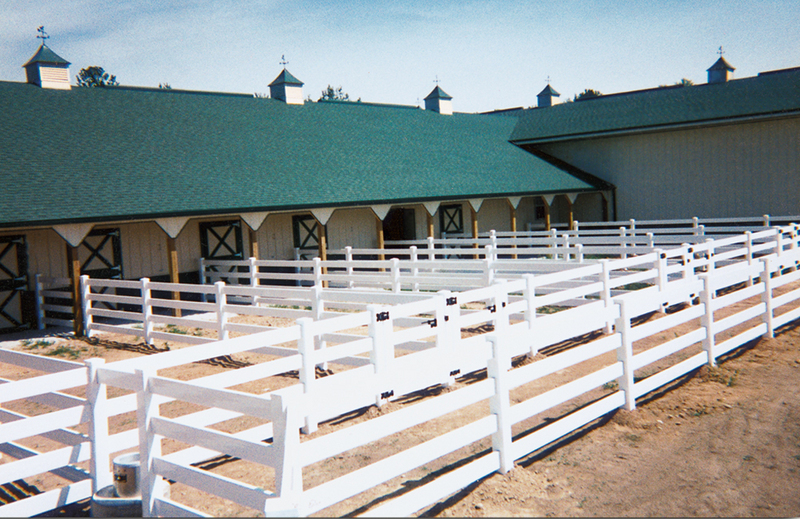
If you are outfitting a hobby farm, horse pasture, or ranch in the Twin Cities metro or surrounding suburbs, here are the most effective farm & ranch fencing styles to consider.
Post and Board Fencing (The Equestrian Standard)
Drive through the equestrian-heavy areas of Carver or Scott counties, and you will see miles of classic post and board fencing. Typically built with three or four horizontal wooden boards secured to heavy wooden posts, this style provides an incredibly strong physical barrier and a highly visible sightline for horses.
- Best for: Horses, large livestock, and defining rural property lines with a classic, upscale aesthetic.
- The Local Advantage: We use high-quality wood treated to withstand Minnesota’s wet springs and freezing winters, ensuring your investment doesn’t rot or warp prematurely.
Woven Wire & “Non-Climb” Fencing
If your hobby farm includes a mix of animals—such as goats, sheep, alpacas, or working dogs—post and board alone won’t keep them contained. Woven wire fencing is an agricultural powerhouse. It features a grid of heavy-gauge wire stretched tight across sturdy wooden or steel posts. For horse owners, we recommend a specific “non-climb” woven wire featuring tightly spaced 2×4-inch knots that prevent hooves from getting caught.
- Best for: Mixed-livestock farms, smaller grazing animals, and predator exclusion.
- The Local Advantage: Woven wire is highly cost-effective for enclosing massive perimeters, making it ideal for the sprawling acreage found in Dakota or Wright counties.
Traditional Split Rail
For property owners who want the rustic charm of a farm but don’t necessarily need to contain heavy livestock, split rail fencing is an excellent, budget-friendly option. It uses rough-hewn timber posts and rails to create a highly open, scenic boundary.
- Best for: Property line demarcation, decorative rural entrances, and large residential acreage.
- The Local Advantage: If you need to keep dogs on the property, we can easily attach a heavy-duty coated wire mesh to the inside of a split rail fence, giving you the best of both worlds—rustic charm and secure containment.
High-Tensile Steel & Ranch Fencing
For serious livestock containment—particularly cattle—high-tensile fencing is the modern standard. It uses incredibly strong wire pulled tight across wood or steel posts. It requires less maintenance than traditional barbed wire, offers a cleaner look, and can easily be electrified to deter both predators and curious livestock.
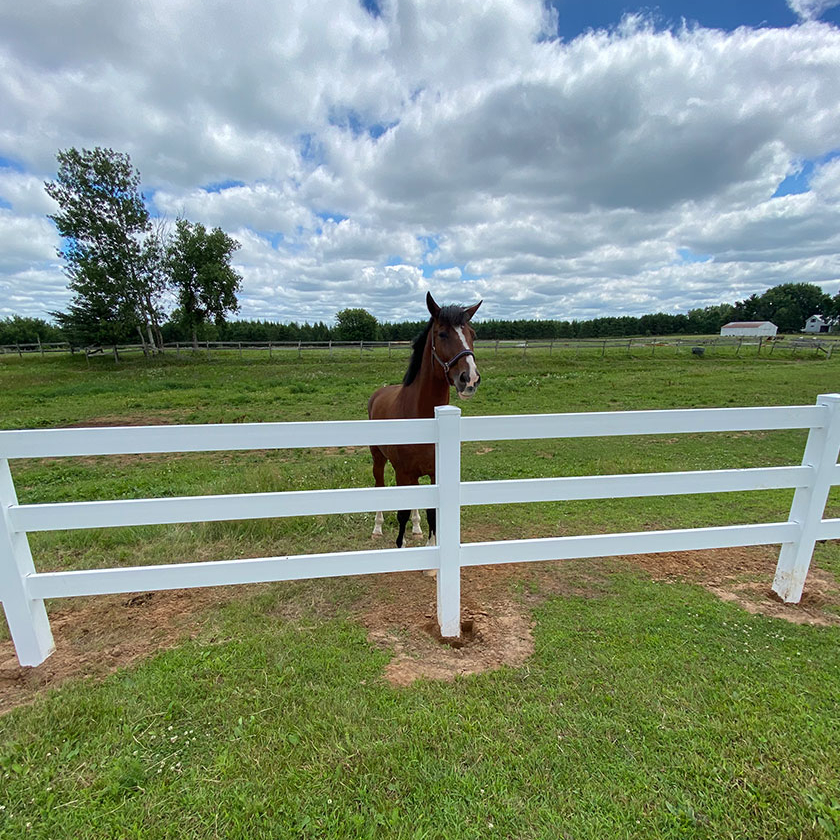
Why Choose Twin Cities Fence? Local Farm & Ranch Fencing Experts
Located right here in Isanti, Twin Cities Fence understands the unique terrain, zoning regulations, and weather challenges of the Twin Cities metro and its suburbs. As a fourth-generation company, we don’t just build fences; we build long-term partnerships with Minnesota property owners. We offer year-round installation, meaning you don’t have to wait until the spring thaw to secure your property.
Ready to secure your acreage? Contact Twin Cities Fence today to schedule a free estimate for your farm or ranch fencing project.