
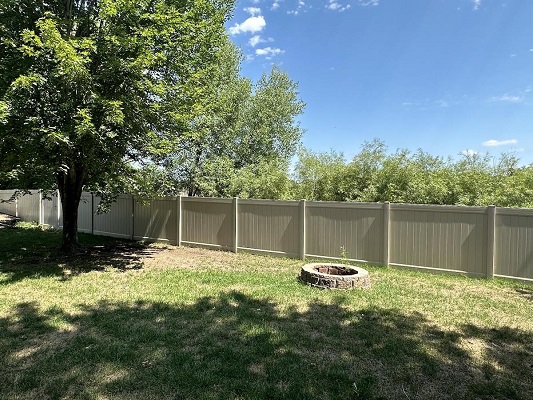
 You’re standing in the backyard on a cool Twin Cities morning, coffee in hand, picturing a new fence that gives your kids room to play or your dog space to roam safely. You measure, you plan, you even start imagining the finished look, until a neighbor casually asks, “Did you check the setback rules?” Suddenly, the project feels more complicated. Understanding Minnesota fence setback rules before installation can save you time, money, and unnecessary disputes.
What Are Fence Setback Rules in Minnesota?
Fence setback rules define how close a fence can be built to your property line, sidewalk, alley, or right-of-way. In Minnesota, there is no single statewide setback rule for residential fences. Instead, requirements are determined by:
- City ordinances
- County zoning regulations
- Neighborhood or HOA guidelines
Some Twin Cities suburbs allow fences directly on the property line, while others require setbacks ranging from a few inches to several feet, especially near sidewalks, streets, or corner lots.
Common Fence Setback Considerations in the Twin Cities
Homeowners across Minneapolis, St. Paul, and surrounding suburbs often encounter similar rules, including:
- Side and rear yards: Many cities allow fences on the property line or within 6–12 inches
- Front yards: Often restricted, with height limits and larger setbacks
- Corner lots: Additional visibility and safety requirements
- Easements: Utility or drainage easements may prohibit fencing altogether
Ignoring these details can lead to failed inspections or even being required to remove a newly installed fence.
Why Accurate Property Lines Matter
Before installing a fence, confirming your property boundaries is critical. Old markers, landscaping changes, or assumptions based on neighboring fences can be misleading. In some cases, a professional survey is the safest way to avoid disputes and ensure compliance with local regulations.
Working With a Fence Installer Who Knows the Codes
Navigating Twin Cities fence setback rules aren’t something most homeowners want to handle alone. A local installer familiar with Minnesota state, county, and city requirements can make the process smoother. Twin Cities Fence works with homeowners throughout the metro, helping interpret local ordinances, verify placement, and install fences that pass inspection the first time.
From chain-link fences for pets to privacy fences for backyards, working with an experienced contractor reduces the risk of costly mistakes.
Permits, Inspections, and HOA Rules
Many Twin Cities communities require a permit before fence installation. This process may include submitting a site plan, confirming setbacks, and scheduling inspections. If you live in a neighborhood with an HOA, additional approvals may be required, even if city rules allow the fence.
Plan First, Build with Confidence
Minnesota fence setback rules can vary widely from one Twin Cities community to the next, but with the right planning and guidance, installing a fence doesn’t have to be stressful. When you work with a trusted local installer like Twin Cities Fence, you can feel confident your fence is built correctly, legally, and to last. Are you ready to take the next step toward a fence that protects your property and peace of mind?